

The global healthcare landscape is undergoing a profound structural transition. Traditional clinical encounters, often constrained by brief consultation times and dense medical jargon, leave millions of patients searching for clearer explanations, empathetic guidance, and actionable strategies to manage their health conditions. In response to these persistent systemic friction points, digital audio media—specifically healthcare podcasts—has emerged as a transformative educational channel.
By delivering expert-led, accessible, and highly specialized content directly to listeners, medical podcasts are fundamentally altering how individuals engage with health information. Rather than navigating fragmented medical portals or deciphering complex clinical studies independently, patients now have direct access to leading physicians, researchers, advocates, and fellow patients through on-demand audio streaming. This comprehensive guide analyzes how healthcare podcasts actively solve core patient challenges, enhance medical literacy, combat misinformation, and foster proactive patient empowerment.
The Paradigm Shift in Health Communication
For decades, patient communication followed a strict, top-down hierarchy. Clinical insights were transmitted almost exclusively within hospital wards or private practice offices. While this model maintains rigorous standards of professional oversight, it faces inherent structural limitations:
A. Time Limitations in Primary Care: The average primary care consultation lasts between twelve and fifteen minutes. Within this brief window, clinicians must review medical history, perform examinations, formulate diagnostic hypotheses, and outline complex treatment plans. Consequently, comprehensive patient counseling is frequently compressed or entirely omitted.
B. Information Retention Gaps: Studies in health communication consistently demonstrate that patients forget up to eighty percent of the medical information provided during doctor appointments immediately upon leaving the facility. Furthermore, nearly half of the retained information is recalled incorrectly due to stress and cognitive overload.
C. The Complexities of Medical Literacy: Modern medical research moves at an unprecedented velocity. Peer-reviewed literature, clinical trial protocols, and therapeutic guidelines are published using highly technical jargon that remains functionally inaccessible to the lay public without structured translation.
Healthcare podcasts bridge this communication void by providing an asynchronous, accessible platform where complex medical concepts can be unpacked thoroughly without the pressure of a ticking clock.
Core Patient Challenges Solved by Health Podcasts
Navigating diagnosis, treatment, and long-term recovery involves significant logistical, emotional, and cognitive hurdles. Digital audio streaming directly addresses these obstacles through tailored content delivery.
+-------------------------------------------------------------------------------+
|                    PATIENT CONCERNS & PODCAST SOLUTIONS                       |
+-------------------------------------------------------------------------------+
| CLINICAL CHALLENGE            | TRADITIONAL OBSTACLE   | PODCAST SOLUTION     |
+-------------------------------+------------------------+----------------------+
| Complex Diagnosis             | Confusing Jargon       | Plain-Language Breakdown|
| Rare/Chronic Illness          | Social Isolation       | Peer & Expert Stories|
| Medical Misinformation        | Unverified Web Posts   | Evidence-Based Audio |
| Treatment Adherence           | Poor Understanding     | Practical Daily Tips |
| Navigation of Care Systems    | Administrative Maze    | Insider Advice       |
+-------------------------------------------------------------------------------+
A. Demystifying Complex Medical Jargon
Medical terminology acts as a significant barrier between patients and optimal self-care. Concepts such as auto-antibody titers, metabolic pathways, oncology staging, and psychotropic side-effect profiles can easily intimidate patients. Podcasts hosted by qualified clinicians translate complex biomedical principles into intuitive analogies and practical narratives. By breaking down intricate concepts into clear conversational English, listeners develop a foundational understanding of their physiology, empowering them to ask informed questions during clinical appointments.
B. Combatting Chronic Illness Isolation
Living with a chronic condition such as Type 1 Diabetes, Rheumatoid Arthritis, Crohn’s Disease, or Long COVID often engenders feelings of profound personal isolation. Patients frequently report that friends, family, and employers struggle to understand the daily nuances of invisible symptoms. Podcasts featuring real patient stories alongside specialist commentary create virtual communities. Hearing others articulate identical physical challenges, emotional burdens, and coping mechanisms validates the patient experience, reducing anxiety and improving mental resilience.
C. Providing Evidence-Based Guidance Against Online Misinformation
The digital age has democratized access to health information, but it has simultaneously unleashed an overwhelming surge of unverified medical claims, sensationalized headlines, and predatory wellness marketing. Searching symptoms online routinely yields worst-case scenarios or pseudoscience. Rigorous health podcasts serve as trusted audio safe havens. When led by credentialed physicians, academic researchers, or registered dietitians, these shows evaluate scientific evidence critically, cite clinical trials accurately, and explicitly dismantle dangerous health myths.
D. Navigating Healthcare Systems and Insurance Mazes
Understanding health insurance policies, prescription drug coverage tiers, prior authorization hurdles, and specialist referral networks is notoriously difficult. Several specialized podcasts focus exclusively on the logistical and financial dimensions of patient care. Hosted by patient advocates, medical bill auditors, and healthcare attorneys, these episodes provide step-by-step guidance on appealing insurance denials, finding affordable medications, and asserting patient rights within hospital settings.
Key Benefits of Audio-Based Health Literacy
Audio as a medium possesses distinct cognitive and practical advantages that render it uniquely suited for health education and patient empowerment.
                           [ Audio Medium Advantages ]
                                        |
      +---------------------------------+---------------------------------+
      |                                 |                                 |
[ Accessibility ]              [ Cognitive Ease ]               [ Empathetic Depth ]
  - Hands-free listening         - Intonation & tone              - Human connection
  - Flexible scheduling          - Reduced reading strain         - Deeper trust
  - Universal distribution       - Conversational flow            - Nuanced dialogue
A. Unmatched Accessibility and Multi-Tasking Integration
Unlike written whitepapers or video lectures that require dedicated visual attention, audio podcasts integrate seamlessly into daily routines. Patients can absorb critical health information during daily commutes, physical exercise, household chores, or resting periods. This passive learning model removes physical friction, allowing individuals with fatigue, visual impairments, or busy schedules to consume lengthy educational content effortlessly.
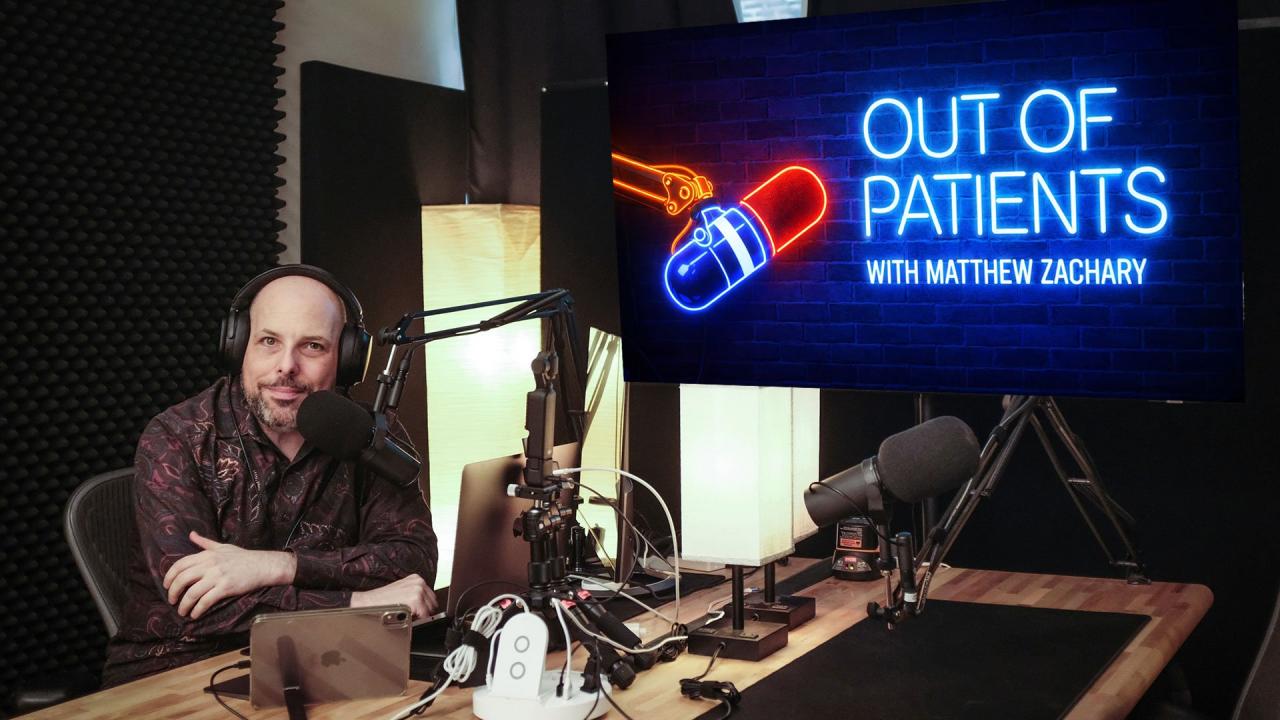
B. Emotional Connection through Voice and Tone
Text on a screen lacks emotional nuance, often sounding clinical, cold, or alarmist. Audio conveys human tone, inflection, empathy, and warmth. Hearing a compassionate physician explain a prognosis or a fellow patient describe their recovery journey builds a deep sense of psychological safety and authentic human connection. This emotional reassurance is particularly vital for patients newly diagnosed with life-altering conditions.
C. Long-Form Depth and Nuanced Explanation
Digital journalism and social media algorithms prioritize short, sensationalized snippets that frequently strip away critical medical context. In contrast, podcasts thrive in long-form formats—often ranging from thirty minutes to two hours. This generous timeframe allows hosts and guest experts to explore nuances, address edge cases, discuss contraindications, and present holistic perspectives that cannot be compressed into brief video clips or social media posts.
Major Categories of Healthcare Podcasts Driving Patient Impact
The ecosystem of health podcasting has matured into specialized verticals designed to address specific patient populations and healthcare needs.
+---------------------------------------------------------------------------------+
|                        HEALTHCARE PODCAST TAXONOMY                              |
+---------------------------------------------------------------------------------+
| CATEGORY                   | PRIMARY AUDIENCE           | CORE CONTENT FOCUS    |
+----------------------------+----------------------------+-----------------------+
| Clinical Deep Dives        | Patients & Caregivers      | Pathophysiology & Meds|
| Patient Voice & Lived Exp. | Chronic Disease Community  | Coping & Advocacy     |
| Preventive & Preventive    | General Public             | Nutrition, Sleep, Gym |
| Mental Health Focus        | Therapy & Wellness Seekers | Anxiety, PTSD, Stress |
| System Navigation          | Healthcare Consumers       | Billing, Insurance    |
+---------------------------------------------------------------------------------+
A. Clinical Education and Disease Management Podcasts
These shows are designed to dive deep into specific medical disciplines such as cardiology, neurology, oncology, or endocrinology. Hosted by practicing specialists, episodes focus on specific conditions for example, managing hypertension, understanding thyroid panels, or evaluating modern immunotherapy options. The primary goal is translating clinical guidelines into practical home management routines.
B. Patient Voice and Peer Advocacy Podcasts
Centered on authentic patient stories, these programs showcase personal narratives of diagnosis, treatment struggles, survival, and living with long-term disabilities. They prioritize emotional support, lived experience, practical coping mechanisms, and peer-to-peer solidarity. By amplifying diverse patient voices, these shows help break social stigmas surrounding chronic illness, mental health, and rare diseases.
C. Preventive Health, Longevity, and Wellness Podcasts
Preventive medicine emphasizes proactive lifestyle choices to mitigate chronic disease risks before they manifest clinically. Podcasts in this category analyze scientific research concerning cardiovascular fitness, metabolic health, sleep hygiene, nutritional science, and stress management. By translating preventative research into actionable daily habits, these podcasts empower healthy individuals to maintain optimal long-term wellness.
D. Mental Health and Psychological Well-Being Podcasts
Mental health remains one of the most widely searched yet deeply stigmatized areas in medicine. Specialized mental health podcasts feature licensed psychologists, psychiatrists, and neuroscientists discussing conditions like Generalized Anxiety Disorder, Major Depressive Disorder, trauma recovery, and neurodivergence. Listeners receive evidence-based cognitive strategies, self-regulation tools, and guidance on seeking professional therapy.
Evaluating Healthcare Podcasts for Scientific Accuracy
With thousands of shows available across major streaming platforms, patients must exercise discernment when selecting audio content. Not all podcasts adhere to strict clinical standards, making critical evaluation essential.
Critical Safety Principle: Podcast content is designed strictly for general educational purposes and peer support. It should never replace direct clinical evaluation, individualized diagnosis, or personalized treatment plans prescribed by a licensed healthcare provider.
Patients should use the following checklist to evaluate the credibility of any health podcast:
A. Host Credentials and Expertise: Verify whether the host or guest speakers possess verifiable clinical credentials (MD, DO, PharmD, PhD, RN, RD) from accredited institutions relevant to the topic being discussed.
B. Transparent Source Citation: Trustworthy shows consistently reference peer-reviewed research, clinical trials, or established public health guidelines (such as the CDC, WHO, or AHA) and include links to primary literature in their episode notes.
C. Clear Financial Disclosures: Reliable podcasts explicitly disclose corporate sponsorships, affiliate links, or commercial interests related to supplements, medical devices, or wellness products mentioned during the broadcast.
D. Balanced and Nuanced Perspectives: Scientific consensus evolves over time. Credible hosts discuss limitations in existing research, highlight potential risks, and present multiple evidence-based viewpoints rather than making absolute claims or offering “miracle cures.”
E. Encouragement of Clinical Partnership: Legitimate health podcasters explicitly urge listeners to consult their personal primary care physicians or specialists before altering prescription dosages, starting new supplement regimens, or making drastic lifestyle changes.
Practical Implementation: How Patients Can Utilize Podcasts
To convert passive listening into tangible medical benefits, patients should adopt a structured approach to consuming health podcasts.
  [ Step 1: Select Verified Show ]
                 │
                 ▼
  [ Step 2: Active Note-Taking ]
                 │
                 ▼
  [ Step 3: Formulate Questions ]
                 │
                 ▼
  [ Step 4: Discuss with Clinician ]
The Role of Health Systems and Physicians in Podcasting
The utility of audio media extends beyond independent patient listening; healthcare institutions and clinical providers are actively building proprietary podcasts to improve community health outcomes.
A. Enhancing Hospital Discharge Education
Hospital discharge instructions are traditionally provided on printed papers filled with dense instructions. Leading health systems are replacing or supplementing paper booklets with tailored audio series. Patients recovering from heart surgery, joint replacements, or stroke rehabilitation can listen to clear audio guides covering wound management, physical therapy movements, warning signs, and medication management.
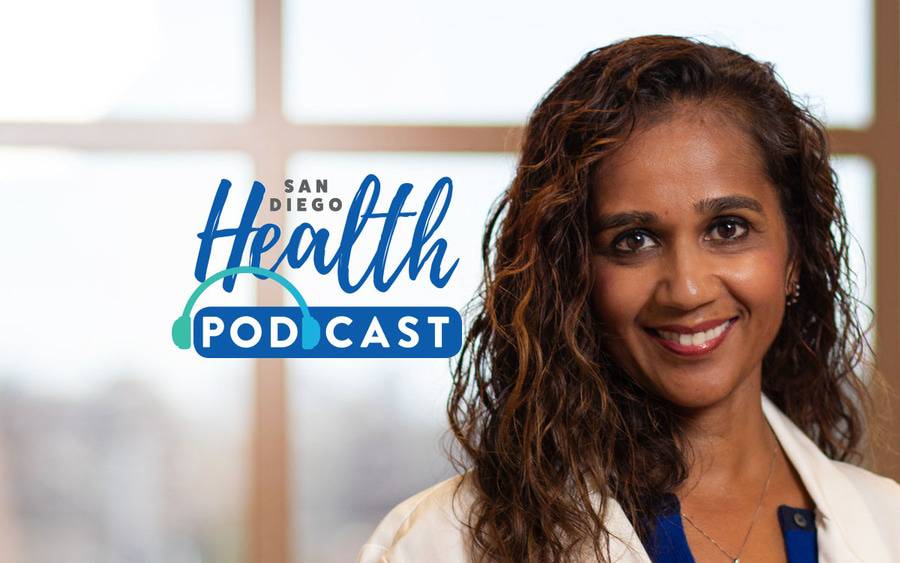
B. Strengthening the Provider-Patient Relationship
When physicians host public-facing podcasts, it humanizes the medical profession. Patients gain insight into the clinical reasoning, empathy, and ongoing education that doctors navigate daily. This transparency fosters trust, breaks down intimidation barriers, and encourages patients to communicate more openly during office visits.
C. Scaling Community Public Health Initiatives
Public health departments leverage podcasts to deliver rapid, accurate health messaging during seasonal outbreaks, disease surges, or regional health crises. Audio broadcasts offer an efficient channel to address vaccine hesitancy, communicate preventative safety guidelines, and direct community members to local medical resources.
Future Horizons: AI, Personalization, and Audio Care
The convergence of healthcare audio content and modern digital technologies promises to unlock even greater utility for patient care in the coming years.
A. AI-Driven Dynamic Episode Summaries: Future podcast platforms will automatically generate clinical summaries, key takeaways, and translated transcripts tailored to individual patient reading levels immediately following an episode.
B. Integrated Telehealth Follow-Ups: Podcast platforms are beginning to integrate direct links to clinical care pathways, allowing listeners who hear about specialized therapies to connect directly with relevant clinical trial registries or telehealth networks.
C. Personalized Audio Health Playlists: As digital health platforms collect patient-reported outcome measures (PROMs), algorithmic engines will be able to curate customized audio playlists containing educational episodes tailored specifically to an individual’s stage of disease, treatment protocol, or recovery track.
Conclusion
Healthcare podcasts have evolved from niche media into an essential component of modern health literacy and patient advocacy. By breaking down barriers of clinical jargon, offering continuous evidence-based education, combating isolation, and empowering patients with clear tools for self-advocacy, digital audio media bridges the historical gap between expert clinical knowledge and everyday patient understanding.
As healthcare continues its digital evolution, the strategic integration of audio education will remain a vital tool in cultivating informed, confident, and proactive health consumers worldwide.