
The global audio ecosystem is undergoing its most profound transformation since the transition from AM radio to digital streaming. Media companies, independent podcasters, and technology giants are aggressively launching Next Generation Audio (NGA) shows to capture listener attention in an increasingly competitive digital landscape. Next Generation Audio represents a monumental leap forward, moving past traditional stereo sound into object-based, spatially aware, and highly interactive listening experiences.
For content creators, digital publishers, and media networks, this evolution offers unprecedented monetization possibilities, enhanced listener retention, and deeper audience engagement. Understanding how NGA functions, why major platforms are adopting it, and how to structure content for maximum reach is vital for staying ahead in search engine rankings and maximizing digital ad revenues.
What Is Next Generation Audio (NGA)?
Traditional digital audio relies on fixed channel configurations, such as standard two-channel stereo or traditional 5.1 surround sound. In these legacy formats, sound signals are hard-coded into specific left or right channels during mixing. Next Generation Audio, by contrast, operates on an object-based audio architecture.
In an object-based paradigm, individual sound elements—such as a presenter’s voice, background ambient rain, distant footfalls, or musical scores—are treated as distinct digital objects. Each object is accompanied by metadata that specifies its location, volume, motion trajectory, and behavior in a three-dimensional space.
When an NGA show is streamed to a listener’s device, an onboard rendering engine processes this metadata in real-time. The audio adapts dynamically to the specific hardware output, whether the listener is using high-end audiophile headphones, a spatial-audio soundbar, or a single smart speaker.
Core Technical Pillars of Next Generation Audio
The technical foundation of NGA rests on several interconnected standards and technologies:
A. Object-Based Audio (OBA): Allows individual audio stems to be manipulated independently at the consumer’s endpoint, giving listeners control over volume dialogue clarity, language selection, or dynamic range.
B. Spatial and Binaural Rendering: Simulates real-world acoustic physics, allowing sound to originate from above, behind, or around the listener when using standard stereo headphones.
C. Advanced Codecs (MPEG-H and Dolby Atmos): High-efficiency encoding standards designed to bundle multi-channel objects and dynamic metadata into streamable data packages suitable for mobile networks.
D. Personalization and Accessibility Metadata: Enables automated adjustments, such as dialog enhancement for hearing-impaired users or dynamic background music suppression.
Why Media Outlets Are Launching Next Generation Audio Shows
The rush to launch Next Generation Audio shows is driven by shifting consumer behavior, technological readiness, and strong commercial incentives. Modern audiences increasingly consume content on advanced hearables, mobile devices, and smart home setups capable of spatial rendering.
  Traditional Stereo Audio                 Next Generation Audio (NGA)
┌───────────────────────────┐           ┌────────────────────────────────┐
│ Fixed Left/Right Channels │           │  Independent Audio Objects     │
│ Static Mixing             │   ───►    │  Dynamic Spatial Metadata      │
│ One-Size-Fits-All Sound   │           │  Real-Time Device Adaptation   │
└───────────────────────────┘           └────────────────────────────────┘
Key Drivers Accelerating Market Adoption
A. Ubiquitous Hardware Support: Millions of consumers now possess spatial-audio-compatible earbuds, wireless headphones, and smart home soundbars as default devices.
B. Algorithmic Platform Favoritism: Streaming channels and podcast directories actively feature NGA content on their home screens and curated playlists to promote premium hardware features.
C. Superior Audience Retention: Immersive soundscapes create a deep sense of presence, significantly increasing completion rates and reducing listener churn compared to flat stereo podcasts.
D. Higher Advertising CPMs: Advertisers pay a premium for immersive, high-engagement audio formats and targeted spatial ad placements.
Major Genres Leading the Next Generation Audio Revolution
While initial NGA implementations focused primarily on music re-mastering, content networks are now rolling out fully immersive original shows tailored specifically for object-based listening.
       ┌─────────────────────────────────────────────────────────┐
       │     NGA Content Ecosystem & Emerging Show Formats       │
       └────────────────────────────┬────────────────────────────┘
                                    │
    ┌─────────────────┬─────────────┴──────────────┬──────────────────┐
    ▼                 ▼                            ▼                  ▼
Immersive Audio   Interactive True   3D Concerts & Spatial   Personalized News
    Dramas            Crime                    Music             & Learning
A. Immersive Audio Dramas and Fiction Shows
Audio plays, sci-fi series, and horror thrillers are natural fits for NGA technology. By placing sound objects in a 3D hemisphere around the listener, creators can place the audience directly inside the story. Listeners hear whispers behind their shoulders, thunder rolling overhead, or footsteps circling them in total darkness, creating a cinematic theater-of-the-mind experience.
B. Interactive True Crime and Investigative Journalism
True crime podcasts remain among the highest-grossing digital audio categories. NGA elevates investigative shows by reconstructing crime scenes acoustically. Producers can position archival wiretaps, courtroom testimonies, ambient location recordings, and host commentary in distinct spatial zones, allowing listeners to visually map out surroundings in their minds.
C. 3D Spatial Music and Live Concert Broadcasts
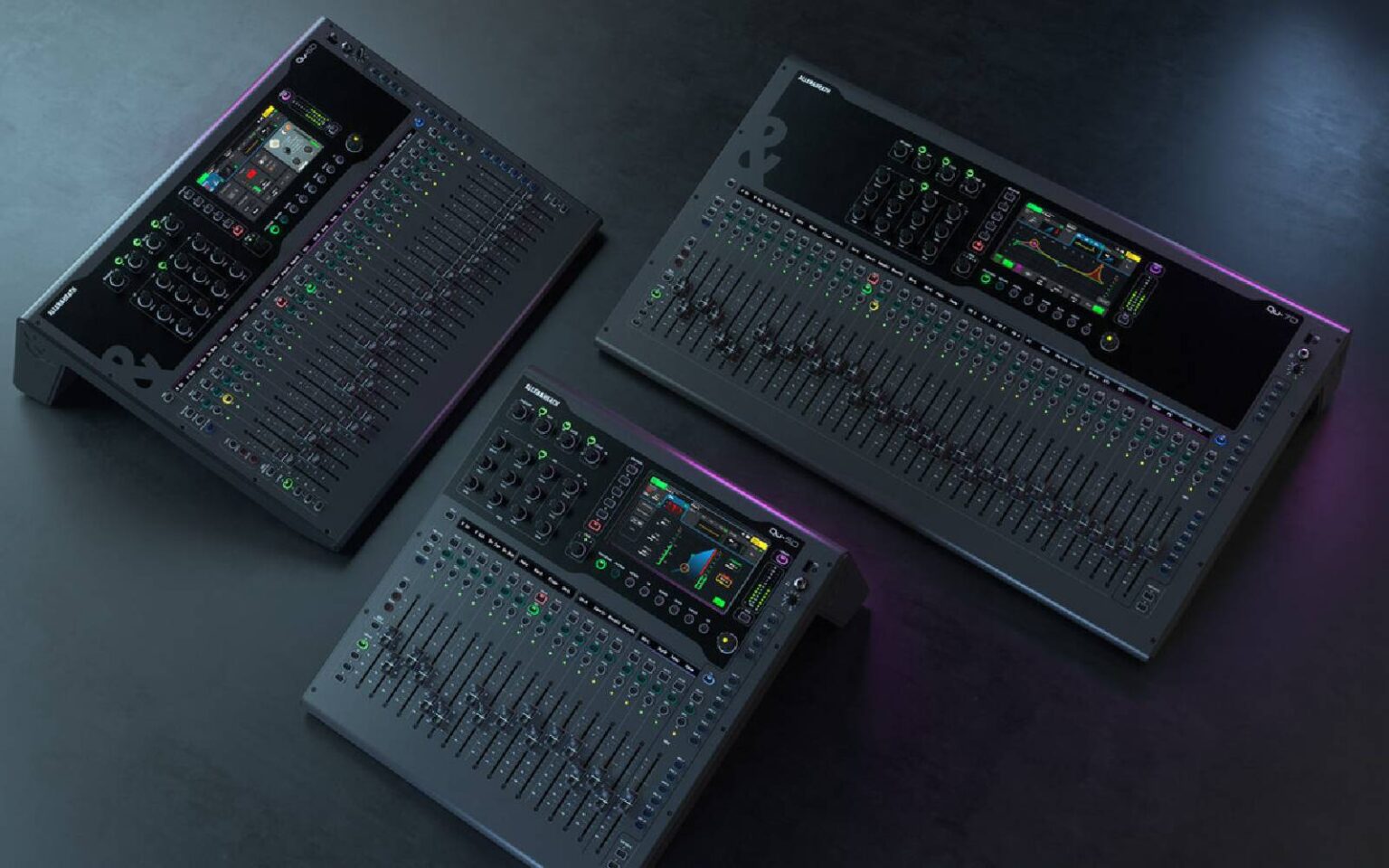
Live performance shows and studio session broadcasts are being completely reimagined through NGA. Listeners can virtually stand in the middle of a recording studio, hearing the drum kit to their left, acoustic guitar on their right, and lead vocals directly in front of them. Advanced feeds even allow users to switch acoustic perspectives from the front-row audience seat to the sound engineer’s mixing board.
D. Personalized News Briefings and Educational Audio
Beyond spatial immersion, NGA enables unprecedented content personalization. A single broadcast file can contain multiple narrative audio tracks. A commuter listening to a morning news show can automatically skip sports segments, choose between a 5-minute or 15-minute breakdown, or switch the voiceover language without breaking the stream.
Monetization and Ad Engine Opportunities in NGA
For online publishers and content networks, launching NGA shows is not merely a creative upgrade—it is a revenue expansion strategy. As programmatic audio advertising matures, NGA provides new inventory types and ad formats that generate higher Click-Through Rates (CTR) and Cost Per Mille (CPM) rates.
High-Yield Ad Revenue Models for NGA Content
A. Spatialized Audio Ads: Dynamic ad insertion engines can place sponsored brand messages into the spatial field of the show. Rather than jarring the listener with a flat mono ad break, 3D brand soundscapes seamless blend into the show’s immersive atmosphere.
B. Interactive Voice Ads: Object-based architecture enables direct interactive prompts within audio streams. Listeners can respond via voice commands (“Order sample,” “Learn more”) without taking their phones out of their pockets.
C. Programmatic Adsense Integration: Web-based audio players utilizing modern AdSense and Google Ad Manager tags can serve contextual banner, native, and audio ads synchronized with specific audio markers throughout the episode.
D. Tiered Freemium Subscriptions: Networks offer standard stereo feeds for free with ad support while locking spatial audio feeds, commentary tracks, and ad-free NGA experiences behind premium paywalls.
| Revenue Channel | Traditional Stereo | Next Generation Audio (NGA) | AdSense & SEO Impact |
| Average CPM Range | $15 – $25 | $35 – $60+ | Higher revenue per 1,000 streams |
| Listener Engagement | Moderate | Very High | Lower bounce rate, higher dwell time |
| Ad Format Options | Standard Audio Interrupt | 3D Spatial & Interactive Ads | Higher CTR on embedded player widgets |
| Content Differentiation | Low (Saturated) | High (Premium Positioning) | Organic search traffic boost |
Complete Blueprint: How to Produce and Launch an NGA Show
Transitioning from traditional stereo production to Next Generation Audio requires a deliberate approach to pre-production, sound engineering, metadata tagging, and distribution channels.
┌─────────────────┐     ┌─────────────────┐     ┌─────────────────┐     ┌─────────────────┐
│  1. Spatial     │     │  2. Multitrack  │     │  3. 3D Object   │     │  4. NGA         │
│  Scripting &    │ ──► │  Recording &    │ ──► │  Mixing & ADM   │ ──► │  Distribution   │
│  Sound Design   │     │  Field Capture  │     │  Encoding       │     │  & Analytics    │
└─────────────────┘     └─────────────────┘     └─────────────────┘     └─────────────────┘
A. Pre-Production Planning and Acoustic Mapping
Before pressing record, writers and directors must map out the spatial environment of every scene. Storyboards for NGA shows include sound placement notes alongside dialogue scripts, outlining where characters stand, move, and interact within a 360-degree soundstage.
B. Microphones and Recording Equipment
High-quality NGA productions rely on specific recording techniques to capture spatial depth:
A. Ambisonic Microphones: Single-point microphone arrays containing multiple capsules to capture full 360-degree spherical audio soundscapes.
B. Binaural Headset Rigs: Dummy head recording setups equipped with anatomically accurate ear canals to capture realistic spatial cues.
C. Isolated Multi-Track Microphones: Clean dry dialogue recorded with individual directional microphones, which are later positioned as distinct 3D objects during post-production.
C. Mixing in Object-Based Digital Audio Workstations (DAWs)
Producers use modern DAWs (such as Pro Tools, Logic Pro, or Reaper equipped with Dolby Atmos or MPEG-H authoring tools) to place each audio track into a 3D coordinate space. Spatial panners assign X, Y, and Z positioning coordinates, allowing audio objects to move fluidly in distance, height, and azimuth.
D. Encoding, Metadata Export, and Master Delivery
Once mixed, the project is exported into Audio Definition Model (ADM) BWF files containing both the raw audio stems and the spatial metadata XML. This master file is then encoded into distribution formats like Dolby Atmos ADM or MPEG-H distribution bitstreams.
Technical Challenges and Optimization Strategies
While the benefits of Next Generation Audio are immense, content creators and media networks must navigate several technical hurdles during implementation.
Key Obstacles in NGA Deployment
A. Increased File Sizes and Bandwidth Demands: Object-based audio files carrying rich metadata require greater bandwidth than standard compressed MP3 files. Producers must optimize encoding bitrates to prevent buffering issues on mobile networks.
B. Headphone and Device Compatibility Gaps: Not all consumer devices interpret spatial metadata consistently. Ensuring binaural downmixing functions properly on legacy stereo devices is essential for preserving dialogue intelligibility.
C. Production Learning Curve: Audio engineers accustomed to standard stereo panning must master 3D acoustic principles, spatial metering, and complex metadata workflows.
D. Search Engine Discovery Limits: Search engines cannot index raw audio files directly. Comprehensive textual metadata, schema markup, and transcripts are mandatory for ranking NGA shows in search results.
SEO Optimization Strategy for Audio Shows and Podcasts
To capture search traffic and maximize Google AdSense earnings on audio landing pages, content managers must implement robust Web SEO practices around their audio shows.
                     ┌────────────────────────────────────────┐
                     │    Comprehensive Web Audio SEO Stack    │
                     └───────────────────┬────────────────────┘
                                         │
        ┌────────────────────────────────┼────────────────────────────────┐
        ▼                                ▼                                ▼
  Structured Data               Textual Assets                   Technical Performance
  • Schema.org/PodcastEpisode   • Complete Interactive Transcripts• Fast Web Player Loading
  • MediaObject Metadata        • Show Notes & Timestamps        • Responsive HTML5 / JS
  • Publisher Schema            • Keyword-Rich H2/H3 Headers     • AdSense Placement Zones
SEO Best Practices for NGA Content Portals
A. Publish Full Interactive Transcripts: Search engines index text, not sound waves. Providing timestamped, speaker-labeled transcripts on show pages ensures search engines index every topic discussed in the show.
B. Implement Schema.org Structured Data: Use PodcastEpisode, AudioObject, and MediaObject JSON-LD schema markup to inform search engine crawlers about episode titles, durations, stream URLs, and spatial capabilities.
C. Optimize Episode Titles and Meta Descriptions: Craft titles under 60 characters and descriptions under 160 characters incorporating high-intent keywords that address specific listener queries.
D. Design Fast, Mobile-Optimized Audio Landing Pages: Ensure audio players load asynchronously without blocking page rendering. Fast page speeds improve Core Web Vitals scores and Google search rankings.
E. Embed AdSense and Ad Manager Slots Strategic: Position responsive ad units above the fold, alongside interactive transcripts, and beneath the audio player widget to maximize viewability without degrading user experience.
The Future of Next Generation Audio: AI and Beyond
The next decade will see Next Generation Audio merge with Artificial Intelligence, generative audio algorithms, and extended reality (XR) platforms.
Emerging Horizons in Audio Tech
A. Real-Time AI Personalization: Machine learning algorithms will adapt audio shows on the fly, tailoring sound effects, language translations, and background scores based on individual listener preferences and environment noise levels.
B. Seamless AR/VR Audio Integration: As smart glasses and spatial computing headsets expand, NGA shows will lock audio objects to physical real-world locations, allowing users to walk through audio stories in real physical space.
C. Dynamic Generative Soundtracks: AI engines will generate unique, non-repetitive background soundscapes in real-time for ambient, relaxation, and narrative shows, reducing file download sizes while enhancing spatial depth.
Conclusion
The launch of Next Generation Audio shows marks a defining turning point in digital audio history. By shifting from static stereo channels to dynamic, object-based spatial experiences, creators and media networks can deliver deeply engaging content that captivates modern audiences. Combined with smart programmatic monetization, strategic Web SEO practices, and optimized ad placements, Next Generation Audio represents a high-growth frontier for digital content publishers looking to maximize revenue and stay ahead of technological trends.