
The digital landscape is in a perpetual state of flux, with audience preferences shifting at a dizzying pace. For content creators, marketers, and publishers aiming to maximize platforms like Google AdSense, understanding these shifts is not just beneficial it’s essential for survival and profitability. Enter the most influential demographic of our time: Generation Z. Born between the late 1990s and early 2010s, this cohort of digital natives is redefining content consumption, and their latest conquest is the world of podcasting. But this isn’t the podcasting of yesteryear, with its hour-long deep dives and meandering conversations. This is the era of the short-form podcast a rapid-fire, highly engaging, and easily digestible audio format that is perfectly tailored to the Gen-Z psyche.
This seismic shift presents an unparalleled opportunity. For creators, it’s a chance to build a loyal community from the ground up. For advertisers and those leveraging Google AdSense, it represents a new, fertile ground for targeted, high-impact monetization. This article will deconstruct the rise of short-form podcasts, explore the core characteristics that make them irresistible to Gen-Z, provide a strategic blueprint for creating successful content, and unveil sophisticated methods for monetization, ensuring your foray into this booming space is both influential and lucrative.
A. Deconstructing the Gen-Z Mindset: The Drivers of the Short-Form Craze
To understand why short-form podcasts are thriving, one must first understand the audience propelling them. Generation Z are not merely consumers; they are curators, creators, and critics who have been molded by a hyper-connected, on-demand world. Their media consumption habits are defined by several key principles:
A. The Scarcity of Attention: Gen-Z has been baptized in the fire of infinite scroll. With countless platforms like TikTok, Instagram Reels, and YouTube Shorts vying for their focus, their attention is the ultimate currency. They have mastered the art of rapid content appraisal, making swift judgments on value within the first few seconds. Long-form content that takes time to “get to the point” is often discarded. Short-form audio, typically under 15 minutes, respects this reality by delivering immediate value and narrative punch.
B. The Quest for Authenticity and Relatability: This generation possesses a highly tuned “BS detector.” They are skeptical of polished, corporate messaging and gravitate towards raw, unfiltered, and authentic voices. They seek creators who feel like peers people who share their struggles, anxieties, and triumphs. The informal, conversational nature of many short-form podcasts fosters this sense of intimate connection far more effectively than a slickly produced radio show.
C. Multitasking as a Default State: Gen-Z doesn’t just sit and listen. They consume content while commuting, working out, doing homework, or gaming. Audio is the perfect companion for this parallel existence. Short-form podcasts are designed to fit seamlessly into these “in-between” moments of their day a 10-minute walk to class, a 15-minute bus ride, or the time it takes to get ready for a night out.
D. The Power of Community and Niche Interests: Unlike previous generations who consumed mass-market media, Gen-Z finds identity and belonging in hyper-specific micro-communities. Whether it’s K-drama analysis, sustainable fashion deep dives, or memes about a specific video game, they seek out content that speaks directly to their unique passions. Short-form podcasts are the perfect medium to serve these niches, creating dedicated hubs for like-minded individuals.
B. The Anatomy of a Viral Short-Form Podcast: Core Ingredients for Success
Creating a short-form podcast requires a different strategic approach than its long-form counterpart. It’s less about expansive exploration and more about surgical precision. The following elements are non-negotiable for capturing and retaining the Gen-Z audience.
A. Compelling and Concise Storytelling: Every second must earn its place. The narrative arc needs to be tight and impactful. A common structure is the P.A.R. model:
-
P: Problem. Immediately introduce a relatable problem, question, or hook. (“Do you ever feel like you’re faking your way through adulthood?”)
-
A: Analysis. Quickly delve into the core of the issue, offering a unique perspective, a personal anecdote, or a surprising piece of data. This is the meat of the episode.
-
R: Resolution. End with a clear takeaway, a piece of actionable advice, or a thought-provoking conclusion that leaves the listener feeling satisfied and smarter.
B. High-Energy and Authentic Hosting: The host’s personality is the brand. A monotone delivery or overly scripted performance will fail. Gen-Z responds to energy, emotion, and vocal authenticity. Don’t be afraid to let your personality shine use humor, express genuine frustration, or share vulnerable moments. This builds a powerful parasocial relationship where listeners feel they know you.
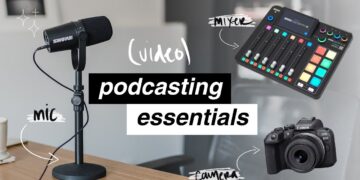
C. Impeccable Audio Quality and Pacing: While authenticity is key, poor audio quality is unforgivable. You don’t need a professional studio, but a decent USB microphone and a quiet environment are essential. Furthermore, pacing is critical. Edit out pauses, “ums,” and “ahs” to keep the momentum brisk and engaging. The goal is a dense, value-packed listening experience.
D. Strategic and Seamless Integration of Music/SFX: A short, recognizable intro jingle and strategic use of sound effects can dramatically enhance production value and brand recognition. A well-placed sound cue can emphasize a punchline, signal a transition, or evoke an emotion, making the content more immersive and memorable.
E. SEO-Optimized and Click-Worthy Titles & Descriptions: Your podcast’s discoverability hinges on this. The title and description must be crafted with both humans and algorithms in mind. Use keywords your target audience is searching for (e.g., “quick mental health tips,” “explaining crypto in 5 mins”). Pose intriguing questions or use power words to compel clicks.
C. The Distribution Ecosystem: Where Short-Form Audio Thrives

A brilliant podcast is useless if no one can find it. The distribution strategy for short-form content is multi-platform and inherently social.
A. Native Podcast Platforms (Spotify, Apple Podcasts, Google Podcasts): This is the foundational layer. Submitting your RSS feed to these major directories ensures your podcast is available where traditional podcast listeners reside. Spotify, in particular, has heavily invested in both discovery and video-podcast integration (Spotify for Podcasters), making it a prime hub.
B. The Social Audio Powerhouses (TikTok, Instagram Reels, YouTube Shorts): This is the engine of virality. The most successful short-form podcasters don’t just host audio; they create compelling video clips to promote it.
-
Clip Strategy: Identify the most impactful 30-60 second segment of your episode. Use video editing tools to add captions (crucial for sound-off viewing), engaging visuals, and a dynamic thumbnail.
-
Call-to-Action (CTA): The clip must end with a clear CTA: “Listen to the full episode on Spotify,” with a link in your bio or a direct tag to your podcast profile. This funnels a massive, engaged social audience directly to your full content.
C. Platform-Specific Features (Twitter Spaces, Clubhouse): While not for publishing pre-recorded content, these live audio platforms are invaluable for community building. Hosting a weekly Space or Clubhouse room to discuss topics related to your podcast fosters a real-time connection with your audience, turning passive listeners into an active community.
D. The Monetization Matrix: Turning Clicks and Listens into Revenue
For the savvy creator, the ultimate goal is to build a sustainable venture. The short-form model, with its high engagement and niche audiences, is ripe for several powerful monetization strategies, with Google AdSense being just one piece of the puzzle.
A. Programmatic Advertising (Google AdSense for Audio): The digital advertising landscape is evolving to include audio. Through podcast hosting platforms that integrate with the Google AdSense network, you can automatically insert dynamic audio ads into your episodes. The key to maximizing this revenue stream is volume and consistency. A large catalog of high-quality, short episodes creates more ad insertion points and increases overall listenership, which in turn boosts ad revenue. Targeting a specific niche (e.g., “college students interested in personal finance”) can also command higher CPMs (Cost Per Mille/Thousand impressions).
B. Host-Read Sponsorships and Brand Deals: This is often the most lucrative avenue. Brands are desperate to reach the elusive Gen-Z demographic, and a trusted host’s personal endorsement is pure gold. As your audience grows, you can partner with brands that align with your content and values. A short-form format allows for seamless integration a 30-second personal endorsement at the beginning or middle of an episode feels natural and is highly effective.
C. Affiliate Marketing: Weave relevant product recommendations into your content. If you have a podcast about tech, use affiliate links for the gadgets you mention. If it’s about beauty, link to the products you use. In the show notes (and verbally in the episode), provide your unique affiliate links. When a listener makes a purchase, you earn a commission. This performance-based model directly rewards your influence.
D. Crowdfunding and Listener Support (Patreon, Buy Me a Coffee): Gen-Z values supporting the creators they love directly. Platforms like Patreon allow you to offer premium tiers for your most dedicated fans. Benefits can include ad-free episodes, bonus content, exclusive Q&A sessions, or access to a private community. This not only generates revenue but also deepens listener loyalty.
E. Repurposing Content for Cross-Platform Monetization: A single short-form podcast episode is a content goldmine. The transcript can become a blog post (perfect for website AdSense). Key quotes can be turned into Instagram carousels or Twitter threads. The audio can be synced with a simple graphic and uploaded to YouTube, creating another stream of AdSense revenue. This “create once, publish everywhere” strategy maximizes your effort and revenue potential.
E. The Future Soundscape: The Long-Term Trajectory of Short-Form Audio
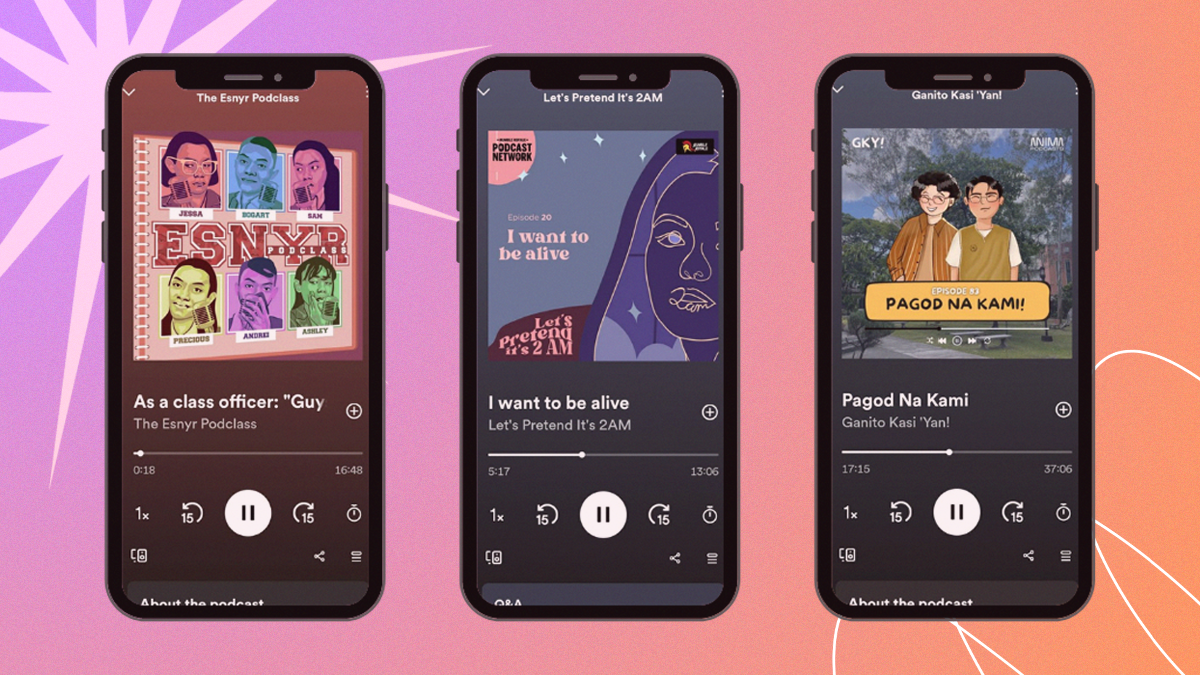
The rise of short-form podcasts is not a passing fad; it is a fundamental recalibration of audio consumption. As technology advances, we can expect this space to evolve in several key ways:
A. Hyper-Personalization through AI: Artificial Intelligence will soon curate micro-podcasts tailored to an individual’s exact interests, mood, and even the time of day. Imagine an AI stitching together several 3-minute segments from different creators to create a perfectly unique 10-minute daily brief for each user.
B. Deeper Interactive and Social Integration: Platforms will continue to blur the lines between listener and creator. Features that allow listeners to leave voice comments that are then played in the next episode, or to vote on upcoming topics, will become standard, transforming podcasts from a broadcast medium into a collaborative experience.
C. The Proliferation of Video Podcasts (Vodcasts): The line between audio and video is dissolving. Recording a video version of your short-form podcast for YouTube and TikTok is becoming the norm. This captures the audience that prefers visual stimuli and opens up another massive channel for discovery and AdSense revenue.
D. Increased Saturation and the Imperative of Quality: As the space grows more crowded, simply being “short” will not be enough. The winners will be those who combine conciseness with exceptional production quality, unique insights, and an undeniable authentic voice. The bar for entry is low, but the bar for success is rising rapidly.
Conclusion: Seizing the Audio Moment
The revolution in audio content is here, and it’s playing out in bite-sized episodes that resonate deeply with the most important emerging demographic. For creators and marketers, the message is clear: adapt or be drowned out. By embracing the principles of concise storytelling, authentic engagement, and strategic multi-platform distribution, you can build a powerful presence in the short-form podcasting arena.
More importantly, by intelligently weaving together monetization strategies from the broad reach of Google AdSense to the targeted power of brand partnerships and affiliate marketing you can transform a creative pursuit into a profitable, sustainable business. The Gen-Z ear is up for grabs. The question is, what will you say to capture it? The time to start speaking their language is now.